
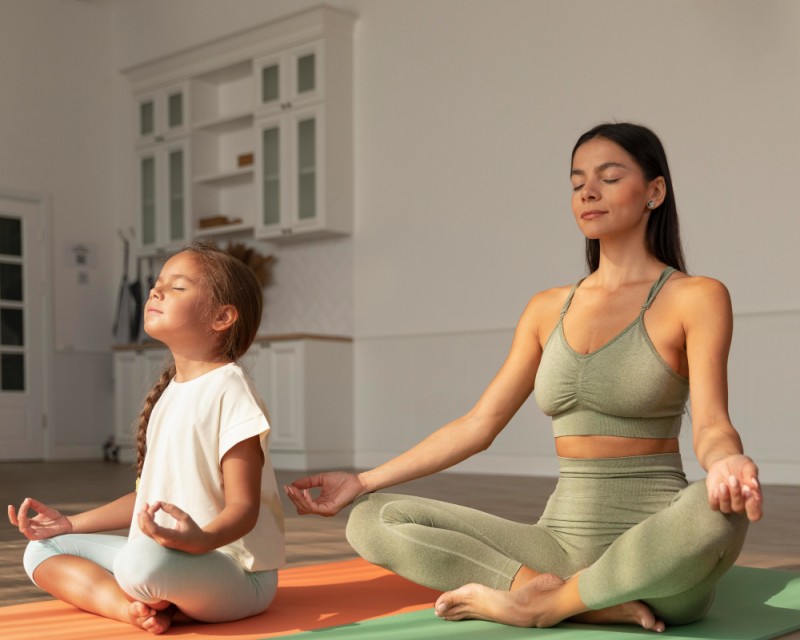
Yoga is increasingly seen as a valuable practice for children, offering not just physical benefits but also emotional and mental well-being. With the prevalence of screen time and reduced physical activity among young ones, introducing yoga can foster healthier habits, enhance body awareness, and cultivate a more peaceful mind. Experts recommend starting yoga with engaging and simple movements rather than rigid routines to spark children’s interest.
Children as young as 4 or 5 years old can begin engaging in basic yoga through playful activities. As they mature, between the ages of 6 and 12, they can gradually progress to more structured practices involving longer poses and breathing techniques. The main aim is not to achieve perfection, but to help kids enhance their concentration, flexibility, self-confidence, and awareness of their thoughts and emotions.
Regular yoga sessions can support children’s development in various ways. It aids in improving their flexibility and balance, encourages better posture, and enhances focus and concentration. Additionally, it helps in managing stress and emotions while promoting relaxation and mindful breathing. By practicing yoga, children gain tools to slow down, remain active, and build a stronger connection between their body and mind.
Some effective yoga poses for children include the Tree Pose, where standing on one leg and stretching arms like branches enhances balance, concentration, and leg strength. The Cat-Cow Pose involves arching and rounding the back on hands and knees, improving spine flexibility and posture while encouraging controlled breathing. The Butterfly Pose, with children sitting and moving their knees like butterfly wings, enhances flexibility and stretches the hips and legs. Lastly, the Child’s Pose offers relaxation by sitting back with arms extended forward, relieving tension and promoting calm breathing.
Incorporating yoga into daily routines can become a beneficial habit for children, promoting activity while nurturing patience, focus, and inner calm. Starting with a simple routine early in life can significantly support healthier physical and mental growth, equipping children with lifelong skills to manage their well-being effectively.