
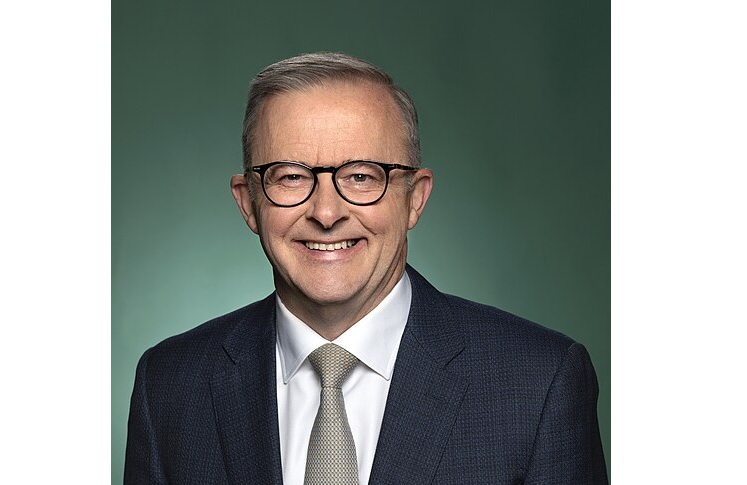
Australia has announced a significant increase in penalties for social media companies that fail to keep users under 16 off their platforms, with fines now reaching up to nearly A$99 million for severe breaches. This initiative aims to bolster enforcement of the nation’s social media age restrictions, empowering the online safety regulator to more rigorously scrutinize platforms like Facebook, Instagram, Snapchat, TikTok, and YouTube.
Prime Minister Anthony Albanese emphasized the need for more robust measures, citing ongoing challenges as many young users continue to bypass age restrictions. Reports indicate that teenagers often evade these barriers through means such as using older users’ accounts or creating fake profiles, highlighting the limitations of the current enforcement strategies.
The government has also announced that the eSafety Commissioner will be granted enhanced powers. This includes the ability to demand information from tech companies and third-party services to ascertain whether adequate steps are being taken to prevent underage access. This regulatory strengthening reflects a commitment to ensuring online platforms adhere more strictly to age restrictions.
Despite these efforts, some research casts doubt on the effectiveness of the bans. Studies reveal that many young users persist in accessing social media, with only marginal shifts in usage patterns observed since the introduction of these policies. This raises questions about the real-world impact of such regulatory measures.
Technology firms have expressed concerns that stringent bans might inadvertently drive teenagers to less regulated areas of the internet. However, advocates argue that these measures are crucial for safeguarding young individuals from potential online risks. The debate continues as Australia seeks to find a balance between protecting its youth and implementing enforceable social media regulations.