
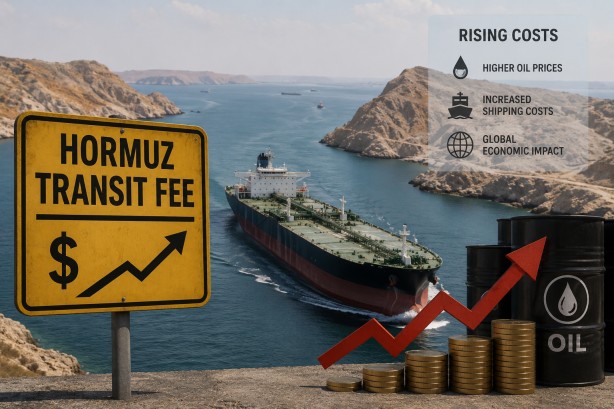
A proposed plan by Iran and Oman to impose transit fees on vessels navigating the Strait of Hormuz could significantly impact the global energy market by increasing transportation costs. The suggested levy, set at around $1 per barrel of oil, is designed to capitalize on the strategic importance of this critical waterway, where Brent crude currently trades at approximately $86 per barrel. Such a fee would equate to about 1.2% of the oil’s value, potentially creating one of the most lucrative maritime revenue streams worldwide.
The Strait of Hormuz is a pivotal maritime corridor, accounting for nearly 20% of global oil consumption. Analysts predict that this proposed charge could generate an estimated $6.8 billion in yearly revenues, potentially surpassing the earnings from Suez Canal transit fees. While the additional cost might seem minimal, industry experts caution that it could lead to increased shipping expenses, ultimately affecting fuel prices, air travel costs, freight rates, and the price of imported goods across the globe.
Proponents of the transit fee argue that establishing a clear and predictable fee structure may offer more financial stability compared to the disruptions or temporary closures that have historically spiked energy prices and exacerbated market volatility. Nonetheless, there are lingering concerns regarding the long-term feasibility and enforcement of such an agreement, which could pose challenges to maintaining stability in the region.
In response to the potential rise in transit costs, countries in the Gulf region are actively exploring alternative export strategies. The United Arab Emirates is investing in the development of pipelines and ports that bypass the Strait, while Saudi Arabia is enhancing its East-West pipeline infrastructure to decrease dependence on Hormuz. Such initiatives are aimed at diversifying export routes and mitigating potential impacts from increased transit fees.
Analysts suggest that these strategic infrastructure investments could gradually decrease the volume of oil transported through the Strait of Hormuz, thus potentially curtailing the long-term revenue prospects of any future transit fees. As Gulf nations continue to build alternative pathways, the dynamics of oil transportation in the region may shift, influencing both economic and geopolitical landscapes.