
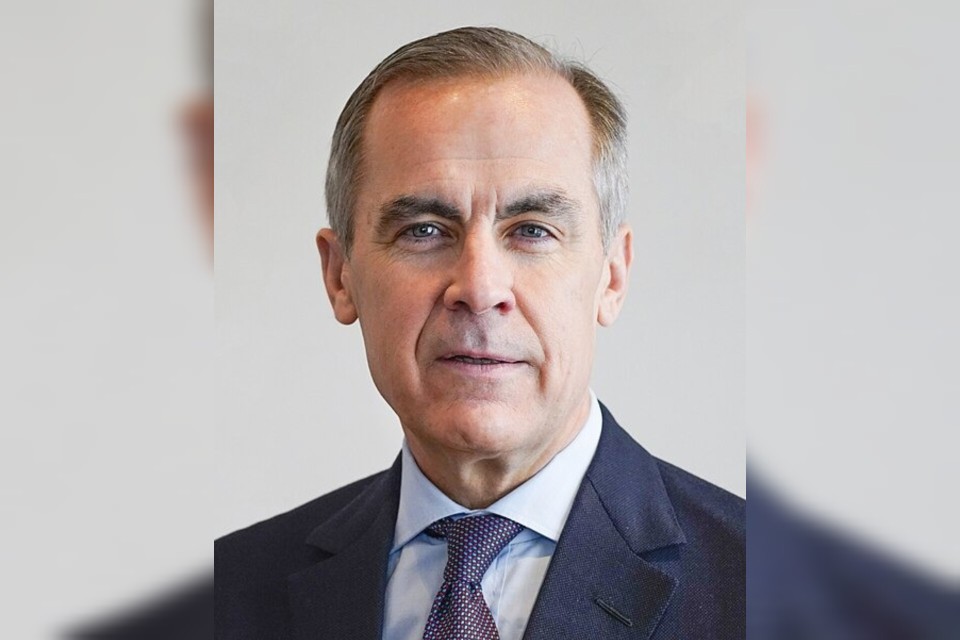
Prime Minister Mark Carney has initiated conversations with British Columbia Premier David Eby regarding the potential adjustment of Canada’s federal carbon pricing benchmark, aiming for closer alignment with Alberta’s newly announced framework. The discussions, held in Vancouver, focus on the federal government’s plan to collaborate with provinces and territories to establish a more consistent national carbon pricing system that balances economic growth with environmental priorities.
This dialogue follows an agreement between Carney and Alberta Premier Danielle Smith on a new carbon pricing trajectory. Under this agreement, Alberta’s effective carbon price is set to reach $130 per tonne by 2040, which is below the current federal target of $170 per tonne by 2030. Premier Eby expressed British Columbia’s support for economic development but stressed that environmental protection must remain a fundamental aspect of any future agreements, particularly concerning proposals for a new oil pipeline to the West Coast. He reiterated his stance on maintaining the North Coast tanker ban and advocated for stronger provincial involvement in federal energy discussions.
Carney emphasized that any prospective pipeline projects would need to deliver considerable economic benefits for British Columbians and involve comprehensive consultations with Indigenous communities, including opportunities for partnerships and co-ownership. Additionally, the prime minister highlighted the importance of expanding the Port of Vancouver as part of Canada’s strategy to increase exports to Asian markets and reduce reliance on trade with the United States. According to Carney, future infrastructure and energy initiatives would progress through collaboration among governments, First Nations, and industry stakeholders.
Both leaders suggested that British Columbia might see the announcement of additional major projects as part of the federal government’s broader strategy for infrastructure and trade. This approach underscores the ongoing effort to harmonize environmental sustainability with economic advancement, ensuring that future developments are inclusive and beneficial to all involved parties.